India's Afghanistan Series Raises Serious Concerns Over Player Welfare
India's ongoing ODI series against Afghanistan is generating the wrong kind of headlines. With searing summer heat pushing players to their physical limits and a congested calendar showing no signs of easing, the series raises a pressing question that goes beyond cricket: what exactly is the point of this, and at what cost? A crucial white-ball series against England looms next month, and the risk of losing key players to avoidable injuries has never felt more real.
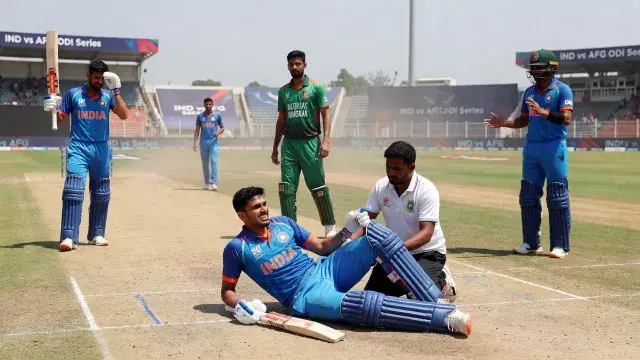
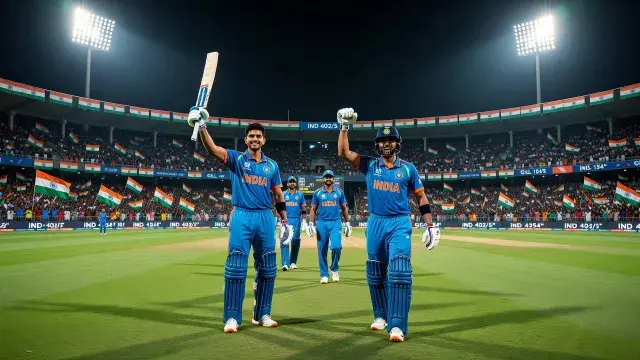
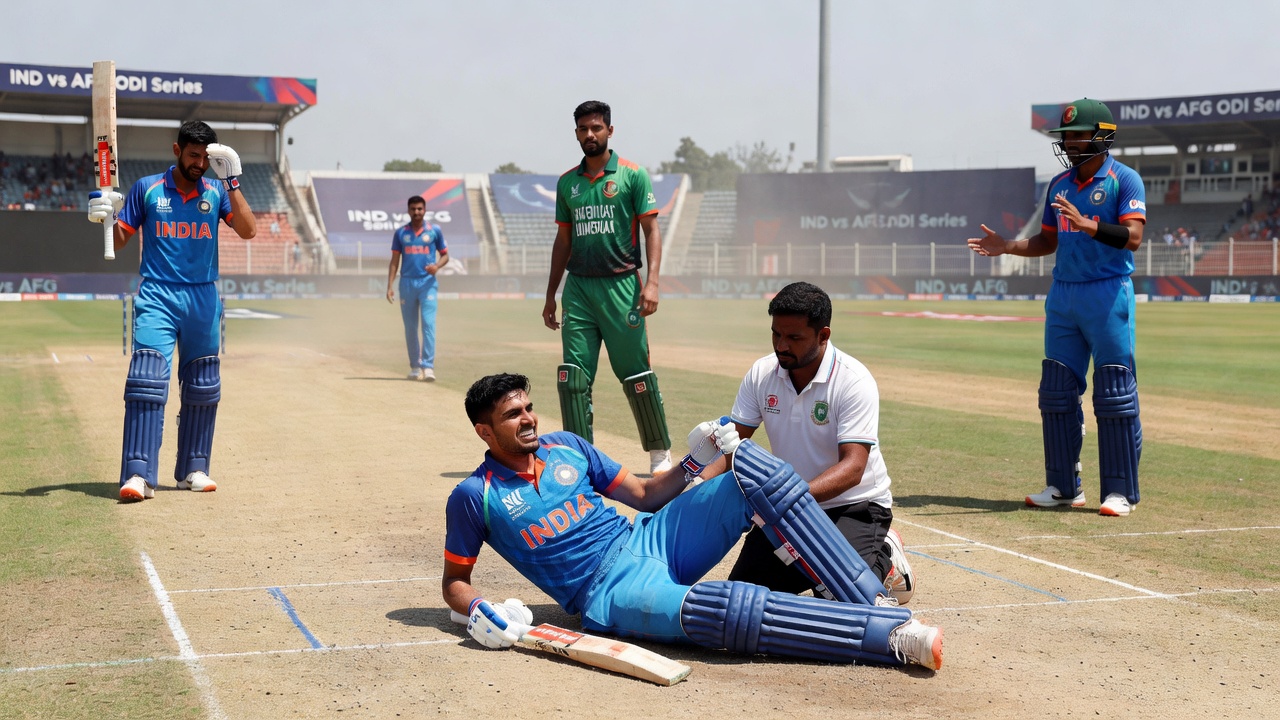
The second ODI at Lucknow's Ekana Cricket Stadium illustrated the dangers starkly. Afghanistan's Darwish Rasooli, playing only his first ODI, hurt himself while fielding, limped in to bat, and was eventually forced to leave the field for a second time in the same match - a miserable introduction to international cricket at the highest level. India captain Shubman Gill produced a brilliant 154 off 110 balls, but the innings came at a physical price: he began cramping mid-innings, received treatment, and was visibly diminished thereafter, struggling to run between the wickets and to time his strokes before falling to an uncharacteristic shot. He did not return to field, with vice-captain Shreyas Iyer leading the side in India's defence. Ishan Kishan, who also registered a century, similarly faded in the closing overs of his innings. In extreme heat, the body loses fluid rapidly, and a dehydrated athlete is measurably more vulnerable to muscle injuries - a fact that any sports medicine professional will confirm, regardless of whether the sport is cricket, football, or even sumo online betting enthusiasts who follow combat sports in similarly brutal conditions will recognise from the physical demands placed on athletes across disciplines.
A Calendar Built for Revenue, Not Recovery
The timing of this Afghanistan tour is not accidental. The Board of Control for Cricket in India (BCCI) placed it in June because the second half of the year is reserved for more prominent international visitors - opponents who carry greater commercial and cricketing weight. That is an understandable scheduling logic from a business perspective. But the moment player welfare enters the equation, the logic collapses. A significant portion of India's playing group in this series came directly out of two months of IPL cricket played in the same punishing heat. Before that, there was the T20 World Cup. India have been in near-continuous competitive action since February. The cumulative fatigue is not a matter of opinion; it is arithmetic.
The venue question compounds everything. Dharamsala, which hosted the one-off Test against Afghanistan earlier in the series, offers genuinely cooler conditions and is one of the most picturesque grounds on the international circuit. But it cannot absorb an entire bilateral tour on its own. It stands as practically the only international-standard stadium in India where June cricket is physically tolerable. Every other city on the ODI itinerary - Lucknow, and now Chennai for the third match on Saturday - subjects players to conditions that no athlete, regardless of fitness, should be asked to endure across back-to-back high-intensity matches.
The Two Dangers the BCCI Cannot Afford to Ignore
There are two specific risks that make this series difficult to defend. The first is injury. Losing a frontline player - a Gill, a Kishan, a Shreyas Iyer - to a heat-related muscle injury or a stress complaint that forces them out of the England series would be damaging in a way that no comfortable ODI victory over Afghanistan could compensate for. The second risk is subtler but equally real: oversaturation. Fans are being asked to consume cricket at a relentless pace. The sport competes for attention in a global calendar that will soon feature major football events, including the FIFA World Cup cycle. Flooding the schedule dilutes the value of each series and risks eroding the audience engagement that Indian cricket depends on to sustain its commercial model.
Wins against Afghanistan, however emphatic, add little to India's ICC rankings currency and nothing to their preparation for top-level opposition. Personal milestones scored in these conditions carry an asterisk that every serious observer silently acknowledges. The BCCI is one of world cricket's most powerful governing bodies and has the resources and influence to construct a schedule that balances commercial imperatives with genuine duty of care. Right now, that balance is clearly off. The England series offers a legitimate reset and a return to meaningful white-ball competition. Getting there with a fully fit squad should have been the only priority.